
Carpenter Ants vs. Termites: How to Tell the Difference
Both carpenter ants and termites can cause serious structural damage to your home, but they are very different insects that require different treatment approaches. Being able to tell them apart is important for getting the right help quickly. Here is how to distinguish between these two wood-destroying pests.
Appearance
Carpenter ants are large ants, typically black or dark brown, with a narrow, pinched waist and elbowed antennae. Their bodies have three clearly defined segments. Winged carpenter ants (swarmers) have two pairs of wings, with the front pair noticeably larger than the back pair.
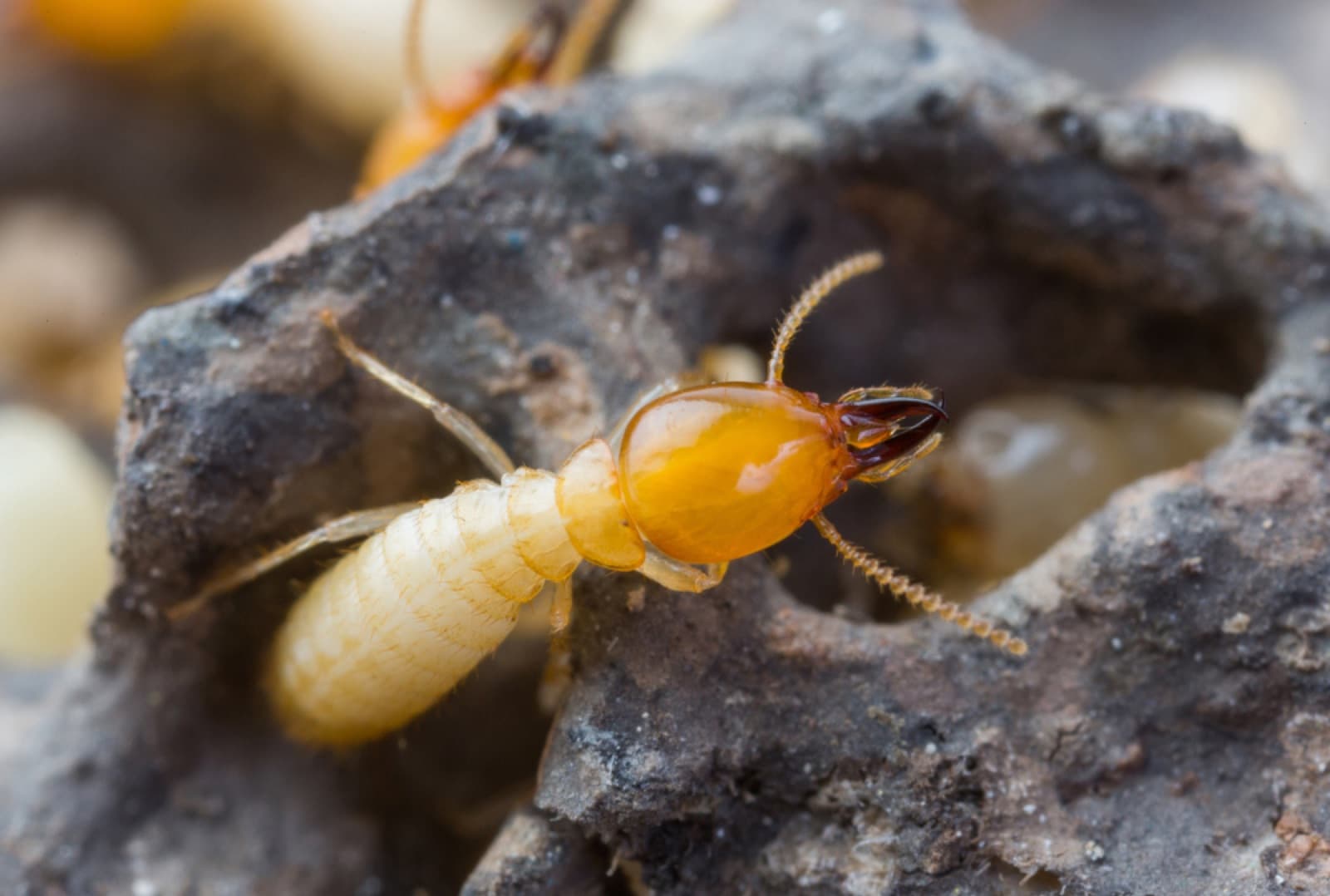
Termites have a thick, straight waist with no pinch between the thorax and abdomen. Their antennae are straight and beaded. Termite swarmers have two pairs of wings that are equal in size. Worker termites are pale, soft-bodied insects that are rarely seen unless their tunnels are disturbed.
How They Damage Wood
Carpenter ants do not eat wood. Instead, they excavate galleries in wood to create nesting sites. The tunnels they carve are smooth and clean, and you may find small piles of fine sawdust (called frass) near their nesting areas.
Termites actually consume wood as a food source, digesting the cellulose with the help of specialized gut bacteria. Termite damage appears rough and ragged, and the tunnels are often packed with mud and fecal matter. Subterranean termites, the most common type in Central Illinois, build mud tubes to travel between the soil and their food source.
Signs of Infestation
Signs of carpenter ant activity include sawdust piles, rustling sounds in walls, and the presence of large ants indoors, especially in spring. Signs of termite activity include mud tubes on foundations, hollow-sounding wood, discarded wings near windows, and bubbling or warped paint on wood surfaces.
Which Is More Destructive?
While both pests cause damage, termites are generally considered more destructive because they consume wood around the clock and can go undetected for years. Carpenter ant damage tends to progress more slowly, though left untreated, it can still become significant.
Treatment Approaches
Carpenter ant treatment focuses on locating and eliminating nests, which may be inside walls or in outdoor stumps and trees. Treatment often involves baiting and residual insecticide applications. Termite treatment typically involves liquid soil treatments, bait systems, or a combination of both to eliminate the colony and protect the structure.
Get Professional Help
If you suspect wood-destroying insects in your home, a professional inspection is the best way to determine what you are dealing with. Terminix provides expert carpenter ant and termite control throughout Central Illinois and Western Indiana. Contact us today for a free inspection.
Terminix Staff
The BigBugs Terminix team has been protecting Central Illinois homes and businesses from pests since 1946.
Need Help With Pests?
Call us today for a free inspection. Our expert technicians are ready to help.