
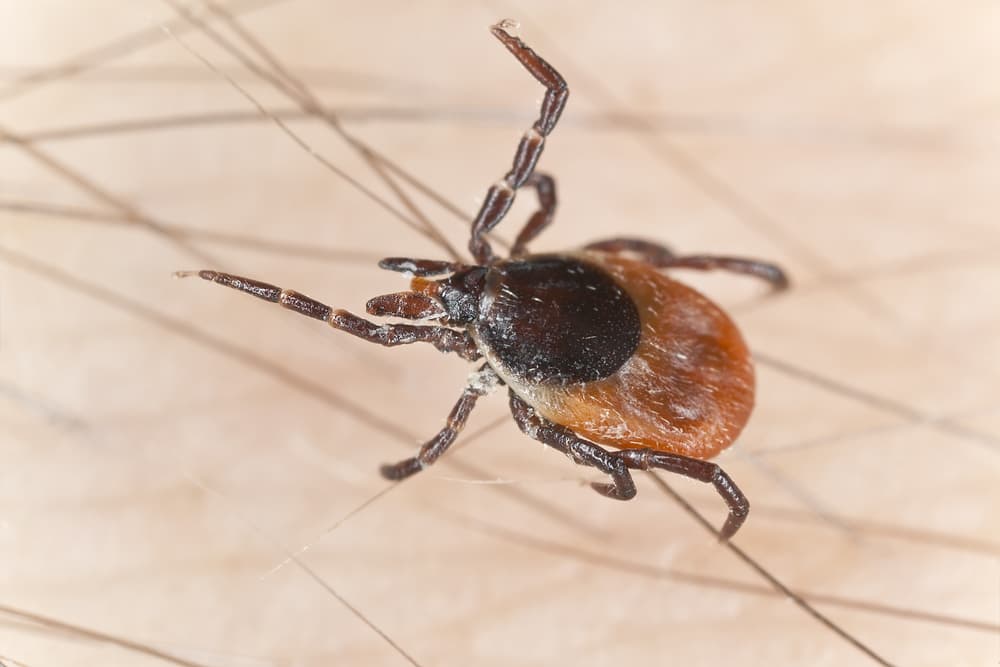
Can You Feel a Tick Bite?
Ticks are stealthy parasites, and one of the most concerning things about them is that their bites often go completely unnoticed. If you spend time outdoors in Central Illinois or Western Indiana, understanding how tick bites work can help you stay vigilant and protect yourself from tick-borne diseases.
Why You Usually Cannot Feel a Tick Bite
Most people cannot feel a tick bite when it happens. Ticks secrete a numbing compound in their saliva that acts as a local anesthetic, preventing the host from feeling the bite. This adaptation allows the tick to feed undisturbed for hours or even days. By the time you notice the tick, it may have been attached for quite a while.
How Ticks Attach
Ticks do not jump or fly. Instead, they climb onto vegetation and wait with their front legs extended, a behavior called questing. When a person or animal brushes against them, the tick grabs on and crawls to a warm, sheltered area of skin to feed. Ticks often migrate to areas like the scalp, behind the ears, under the arms, around the waist, and behind the knees before attaching.
Once a tick finds a suitable spot, it inserts its mouthparts into the skin and begins feeding on blood. Some tick species cement themselves in place, making them difficult to remove without proper technique.
After the Bite
While the initial bite is painless, you may notice itching, redness, or mild irritation at the bite site after the tick is removed. In most cases, these symptoms resolve on their own within a few days. However, if you develop a bullseye rash, fever, fatigue, or joint pain in the days or weeks following a tick bite, seek medical attention promptly, as these may be signs of a tick-borne illness like Lyme disease.
How to Check for Ticks
Since you are unlikely to feel a tick bite, regular tick checks are essential after spending time outdoors. Examine your entire body carefully, using a mirror for hard-to-see areas. Check clothing and gear as well, and shower within two hours of coming indoors to wash away unattached ticks.
Tick Prevention and Control
Reducing tick habitat around your home is an important step in tick prevention. Keep grass mowed short, remove leaf litter, and create a barrier of wood chips or gravel between your lawn and wooded areas. Terminix offers professional tick control services that treat your yard to reduce tick populations. Contact us today for a free inspection.
Terminix Staff
The BigBugs Terminix team has been protecting Central Illinois homes and businesses from pests since 1946.
Need Help With Pests?
Call us today for a free inspection. Our expert technicians are ready to help.